


Weddings in a Changing Financial Landscape
Planning a wedding during an economic downturn can feel overwhelming. Rising costs, shifting priorities, and financial uncertainty often mean couples need to be more intentional about how and where they spend their money.
The key is not to cut everything, but to spend thoughtfully. A meaningful wedding isn’t about how much you spend, but how well your choices reflect what matters most to you.
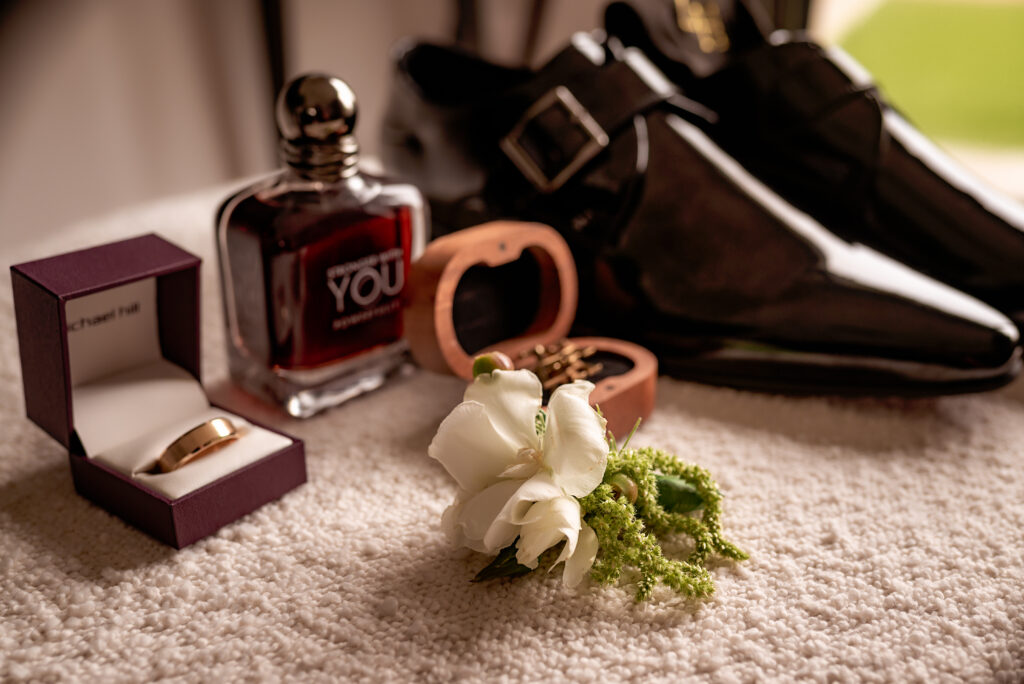
How to Prioritise Your Wedding Vendors
Start by identifying your top priorities as a couple. Ask yourselves: what will actually shape our experience of the day and what will last beyond it?
For many couples, this comes down to a few key vendors: venue, photography, and (sometimes) food. These are the elements that either define the atmosphere or leave a lasting legacy.
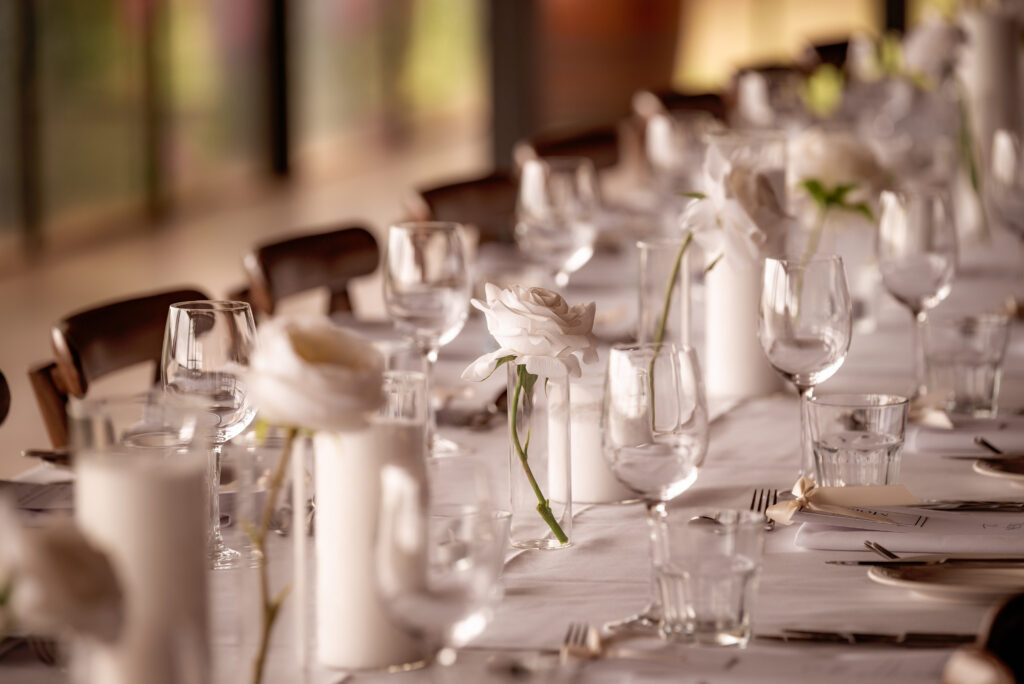
Other elements, like styling details, elaborate florals, or wedding favours can often be scaled back without significantly impacting your overall experience.
It can also help to think in terms of impact vs. visibility. Some costs are highly visible but short-lived, while others quietly shape your memories for years to come.
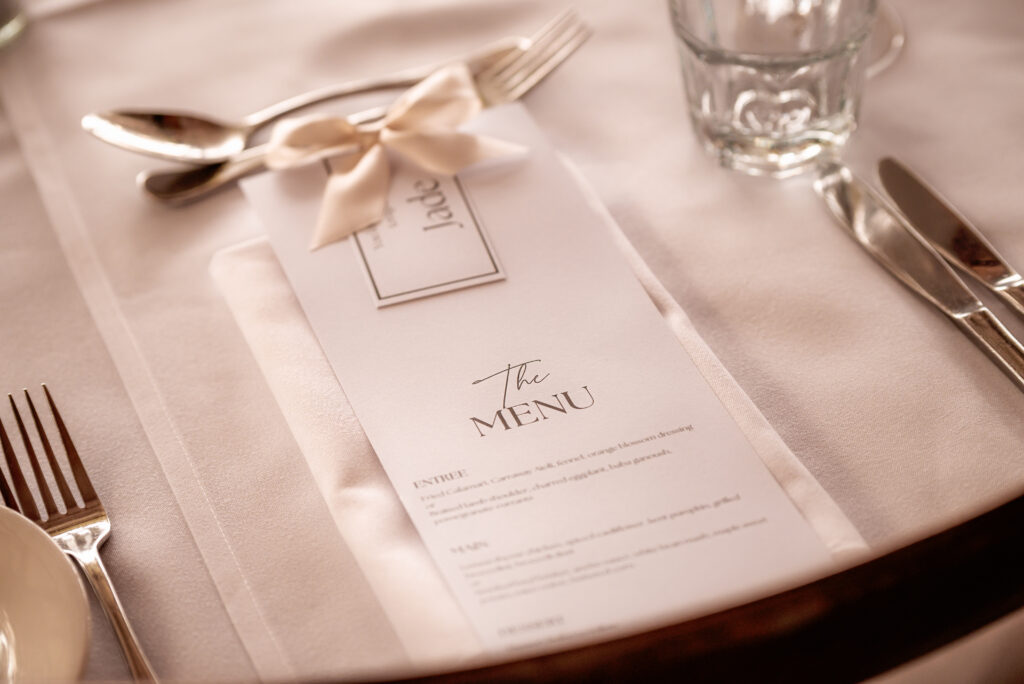
Smart Ways to Save Without Sacrificing Meaning
Saving money on your wedding doesn’t have to mean compromising on what matters. It’s about being strategic.
Consider a smaller guest list as this is often the single biggest lever for reducing costs. You might also look at off-peak dates, weekday weddings, or venues that require less styling.
Simplifying your timeline can also reduce costs. A shorter day may mean fewer vendor hours, while still capturing everything that’s important.
And remember: not everything needs to be “wedding-level.” Some of the most meaningful celebrations are the ones that feel relaxed, personal, and unforced.
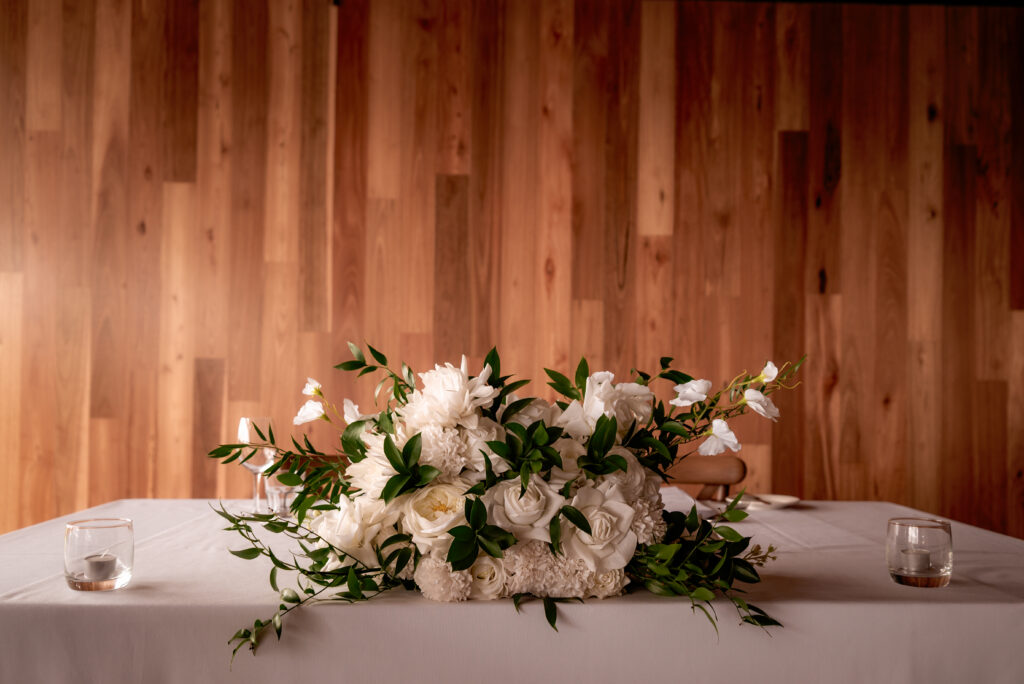
Why Photography Is an Investment, Not an Expense
When budgets are tight, it’s tempting to view photography as an area to cut but it’s worth reconsidering how you frame it.
Long after the day is over, your photos are what remain. They become part of your family history and something you return to, share with your children, and hold onto as the years pass.
Investing in a photographer whose work and approach align with you means you’re not just paying for images, you’re investing in how your day is experienced and remembered.
My approach is documentary and low-pressure, which is particularly valuable when you’re already navigating the stress of planning within financial constraints. I don’t believe in overcomplicating your day or adding unnecessary pressure. Instead, I focus on capturing what’s real, so you can stay present and actually enjoy the wedding you’ve worked hard to create.
If you are on a budget I highly suggest prioritising professional photography for the ceremony and couple portraits. These are the images that are technically the most difficult and the ones you are most likely to want to hang on the wall. If needed, skip getting ready photos and images of the reception and rely on family and friends to capture these for you. While they are lovely to have, and in an ideal world you’d have a pro do it all, they are the ones that can be captured on an iPhone if finances are tight.
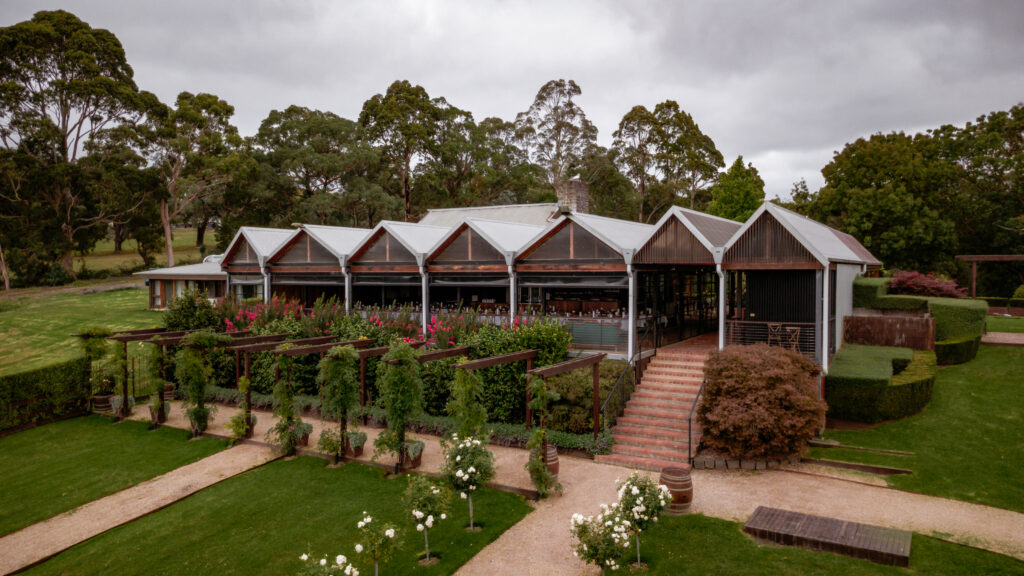
Tips for Spending Wisely
Decide your top 2–3 priorities early: Allocate more budget here and simplify the rest.
Trim your guest list: Fewer people = lower costs across the board.
Consider off-peak options: Weekdays or winter dates can significantly reduce venue costs.
Simplify styling: Focus on one or two key elements rather than everything.
Limit vendor hours where possible: A shorter timeline can still feel complete.
Avoid “just in case” spending: If it’s not important, let it go.
Invest in what lasts: Photography is one of the few things you keep long after the day.
A Wedding That Reflects What Matters Most
An economic downturn can actually bring clarity. It encourages you to strip away the unnecessary and focus on what truly matters; your relationship, your people, and the experience of the day itself.
When you spend with intention, your wedding becomes less about external expectations and more about creating something meaningful, personal, and lasting.
COMMENTS