


Creating a Wedding That Feels Safe and Comfortable
For neurodiverse couples, or anyone who feels easily overwhelmed, traditional weddings can feel like a lot. The noise, the attention, the unpredictable schedule, and the social expectations can quickly turn what should be a joyful day into something stressful.
The good news is: your wedding doesn’t have to follow anyone else’s rules. You can create a day that feels calm, grounded, and genuinely enjoyable. By designing your wedding around your needs, rather than expectations, you give yourselves the best chance to be present and connected.
Reducing Sensory Overload
Weddings are often full of sensory input; bright lights, loud music, crowded spaces. Being mindful of this early in the planning process can make a huge difference.
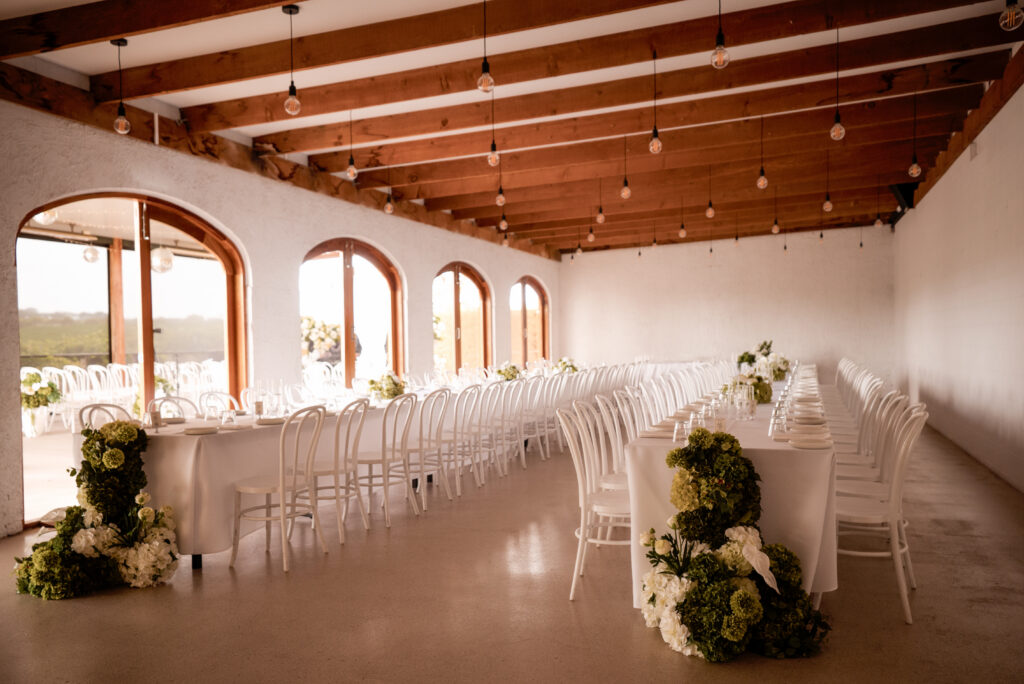
Consider choosing a venue with natural light and open space, or planning an outdoor ceremony where things feel less intense. You might opt for a smaller guest list, a shorter timeline, or even a non-traditional structure that allows for breaks throughout the day.
Clothing is another factor. Choosing outfits that feel physically comfortable (not just visually appealing) can help you stay regulated and relaxed.
Planning for Emotional and Social Energy
Social interaction can be one of the most draining parts of a wedding day. Building in ways to manage this is key.
This might mean having a quiet space you can retreat to, limiting how long you spend greeting guests, or scheduling intentional downtime. You don’t need to be “on” all day.
It’s also helpful to communicate your needs with key people – your partner, close family, and vendors – so they can support you without you having to constantly explain or advocate for yourself in the moment.
Tips for a Low-Stress Wedding Day
Keep your guest list intentional: Smaller numbers often mean less overwhelm.
Build in quiet breaks: Even 10 minutes alone can help you reset.
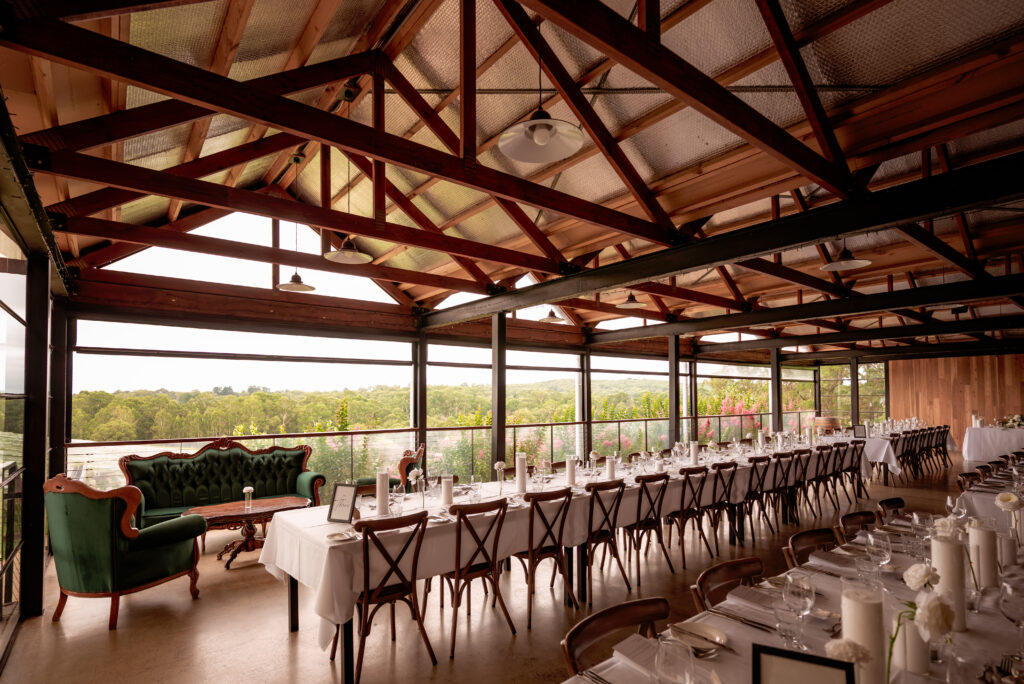
Choose sensory-friendly environments: Think natural light, fresh air, and minimal noise where possible.
Wear something comfortable: Prioritise how it feels, not just how it looks.
Set expectations with guests: Let them know if you won’t be mingling constantly.
Create a simple, flexible timeline: Avoid overpacking the day.
Have a support person: Someone who understands your needs and can advocate for you.
Why the Right Photographer Matters
When you’re already managing sensory or emotional overwhelm, the last thing you need is a photographer who adds pressure or expects you to perform.
A documentary-style approach can make a huge difference. Instead of directing every moment or asking you to pose in ways that feel unnatural, I work in a way that’s calm, observant, and unobtrusive. I gently guide when needed, but largely allow your day to unfold as it is, capturing real moments without forcing them.
I also have years of experience working with neurodiverse clients and those who feel awkward or uncomfortable in front of the camera. That means I’m attuned to subtle cues, respectful of boundaries, and focused on creating an environment where you can relax and be yourselves.
Your wedding photos shouldn’t come at the cost of your comfort. They should reflect a day where you felt safe, supported, and genuinely present and that’s exactly what I aim to create.
COMMENTS